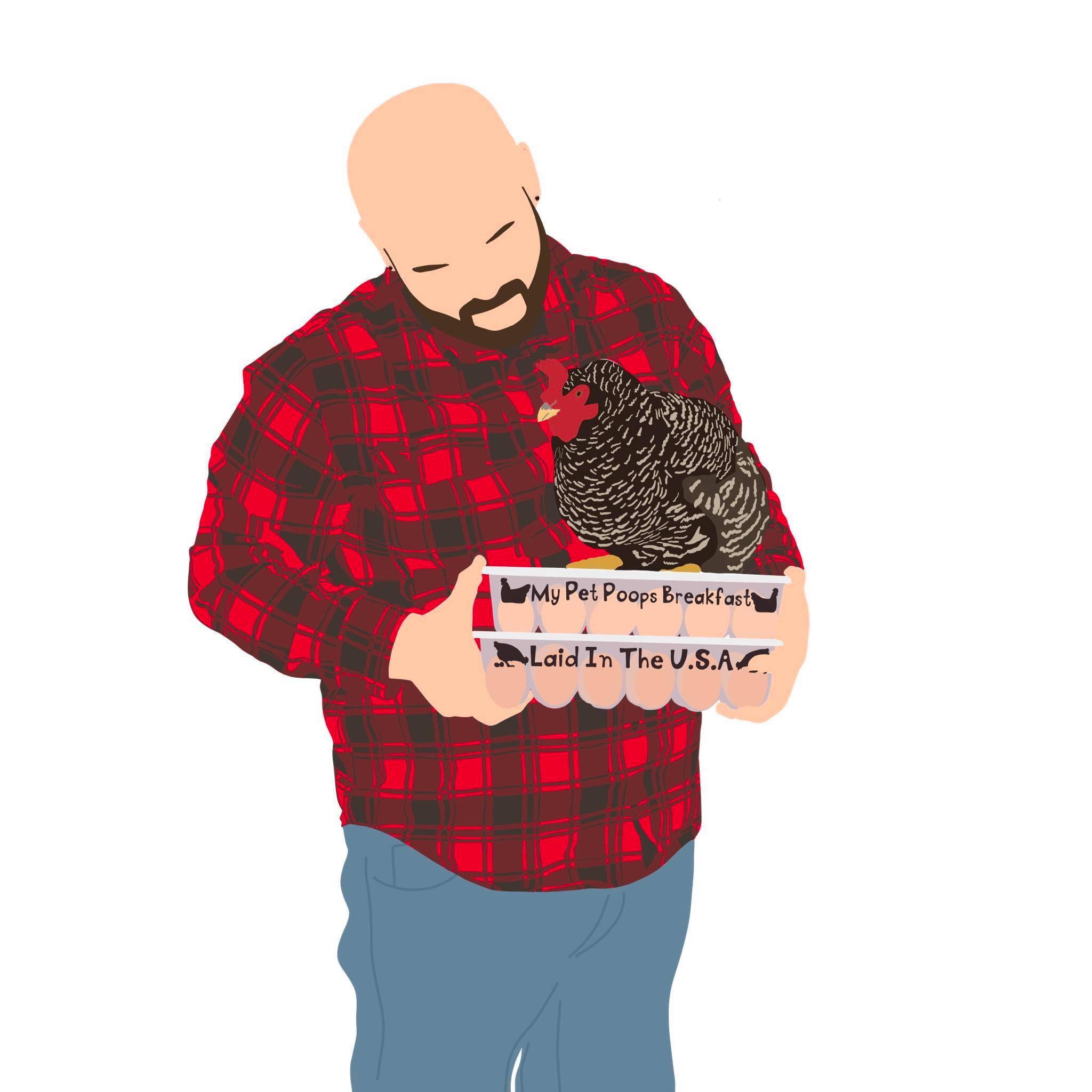
While rereading some of my older blog posts, I realized they were a lot like my craft room—full of good information, but not exactly organized. (If you're a crafter... you know.) Today, I want to change that.
You've found an event that's a great fit for you and your business. You've done the research, asked the questions, and paid the vendor fee. Now comes the exciting part... figuring out what to bring.
Payments:
Digital Payments:
This is probably one of the questions I'm asked most often. How do I take payments?
I personally use Shopify POS for all of my in-person sales, so I use the Shopify card reader to accept credit cards, debit cards, and Apple Pay. Having everything in one system also makes tracking inventory and sales much easier after the event is over.
While many vendors successfully use Cash App and Venmo, I've chosen not to offer them. Those payment apps are commonly used by scammers posing as event organizers to collect fake vendor fees, so I've simply chosen to keep all of my business transactions in one place.
Cash:
Bringing a "bank" of smaller bills will help you break down larger bills and give change. What you need to bring for change is largely dependent on your item pricing. It's better to bring too much (especially smaller bills) than it is to bring not enough. It's also possible another vendor may ask if you can break a larger bill for them. (That is me. I am that vendor.) But if you cannot do it without causing yourself issue, it's okay to say you're unable to help.
Before the event, look at the prices of your products and think through a few common purchase totals. It'll help you decide how many $1s, $5s, $10s, and $20s you'll realistically need. The goal isn't to carry around a giant stack of cash—it's to be prepared for the customers you expect to serve.
When I first started doing vendor events, one of my zippered pouches was my cash bank. It kept everything organized without requiring me to buy another piece of equipment. As my business grew, I eventually upgraded to a locking cash drawer—but that wasn't something I needed on day one.
You don't have to start with the setup you hope to have one day—you just need a setup that's organized and works for where your business is today.
If you're looking for an affordable way to organize your cash bank, you can browse the full pouch collection here.
Inventory:
One of the biggest mistakes I see new vendors make is feeling like they need to bring one of everything. You don't.
Bring what you have, but don't stress if you don't have every print, color, size, or style available. Instead, focus on bringing your best sellers along with items that fit the theme of the event.
If it's a fall market, lean into your fall products. If it's a holiday event, absolutely bring those holiday-themed items—but don't forget your everyday products, too.
One thing I've learned is that many shoppers are buying gifts. While seasonal items can sell incredibly well, not everyone wants to give a gift that's only useful for a few weeks before it's packed away with the holiday decorations. Having a mix of seasonal and everyday items gives shoppers more options and helps your booth appeal to a wider audience.
Finally, think about your display. You want enough inventory to make your booth look full and inviting without feeling overcrowded or overwhelming. If you know certain products are your hot sellers, keep extras packed away so you can easily restock throughout the day. I also like to throw in a new item or two. You never know—one of those new products might end up becoming your next best seller.
Tent/Shelving/Signage:
A standard 10' X 10' Tent of your preferred brand
For my personal setup I like the ABC Canopy because it's got crossbeams in the canopy and provide more stability.
Try to avoid slant leg tents. These can mess up spacing and the actual canopy size is usually smaller than 10 X 10 and the legs slant out to make it take up a 10 x 10 space with a 9' canopy.
Whatever shelving or displays you use, make sure they're sturdy enough to handle weather and don't risk falling if a table gets bumped or the wind picks up. Varying the height of your displays also helps draw customers' eyes around your booth instead of having everything on one level.
A banner is one of the best investments you can make. Whether it's across the back of your tent or hanging from the front valance, it should be easy for shoppers to read from a distance. You want people to remember your business—not just the products they bought.
I personally purchased mine from MilWeb1Express Mine came with next-business-day production and free overnight shipping, which was hard to beat.
Tell Nick, The Plaid Lad sent you! You'll be in great hands!
Price signs for groups of items are great, but I also recommend pricing individual items whenever possible. Some shoppers are uncomfortable asking how much something costs. If they can't quickly find the price, they may simply move on to the next booth.
If they do ask and and do not purchase, it may not be in their budget - it does not mean your items are not worth it. Your pricing reflects the cost of materials, time spent, expertise in the craft etc.
Create Something People Remember
Buffalo plaid has become a big part of my brand. My tablecloths are buffalo plaid, my tent banner includes buffalo plaid, and I use them year-round. Over the years, I've received messages from people who spotted buffalo plaid in a store and immediately thought of Shop With The Lad. It's a small detail, but it keeps my business in the back of people's minds long after they've left my booth.
Your branding doesn't have to be buffalo plaid- (that's mine). It could be your logo, your colors, your display style, or even the way you package your products. The goal is simple: give people something they'll remember long after they've left your booth. Find your buffalo plaid. ❤️

This is my booth today. Notice how the buffalo plaid is repeated throughout the display and ties everything together. Whether someone remembers my business name or simply says, "You're the Plaid Lad," I've accomplished my goal—they remembered me.
Business Cards, Boxes & Bags:
A business card is more than a piece of paper—it's an invitation to stay connected.
Include ways customers can find you after the event, whether that's your website, Facebook page, Facebook group, Instagram, or other social media. QR codes are a great addition and make it easy for customers to connect with you on the spot.
That said, don't rely on QR codes alone. Once your booth is packed up and the event is over, you want customers to have something they can tuck into a purse or wallet and find weeks later when they're ready to order again.
When I designed my business cards, I wanted them to be as memorable as my booth. Most business cards are horizontal with a glossy or matte finish. Mine are vertical with rounded corners, printed on kraft paper, and feature my buffalo plaid branding. Even before someone reads my name, the card already feels like "Shop With The Lad."
When someone pulls it back out weeks later, I want them to immediately recognize where it came from.
Think about your own brand. Maybe it's your logo, your colors, a unique shape, or even the paper you choose. The goal isn't to have the fanciest business card—it's to have one people remember.
Bags & Boxes:
Don't forget about the customer's trip after they leave your booth.
Bags and boxes make it easier for shoppers to continue walking the event without juggling their new purchases, and they add a more professional touch to the overall experience.
For larger items, I also like offering to hold purchases behind my booth until the customer is ready to leave. It's one less thing for them to carry around, and customers really appreciate it.
Just make sure the item has already been paid for before moving it to your pickup area, and have a simple way to remember whose item is whose.
Portable Battery
A portable battery pack is one of those things you don't think about until your phone or card reader is sitting at 3% battery halfway through a busy event.
If you're taking electronic payments, using your phone for inventory, or simply staying in touch with customers throughout the day, having a fully charged backup battery can save you from a lot of unnecessary stress.
I keep one with me at every event. It's one of those items I rarely think about—but I'm always glad I packed it.
Now that you're packed and ready, the next question becomes... what do you actually do once the customers start arriving? That's a topic all on its own. And if you've read this far, you've probably figured out my brain likes taking scenic routes. We'll definitely cover it in a later post.